There are many ways to get to Bonn
By Plane
Bonn Airport (CGN)
The Cologne/Bonn International Airport is the closest airport to Bonn. While it does have some international flights, it acts more like a regional European airport. It doesn’t give you the most choices when it comes to arriving in Germany from overseas, but it’s a great airport if you wish you explore Europe before or after the wedding, offering flights to many destinations.
From the U.S., the only flight option is on Lufthansa via Munich
From the Cologne/Bonn Airport into the city:
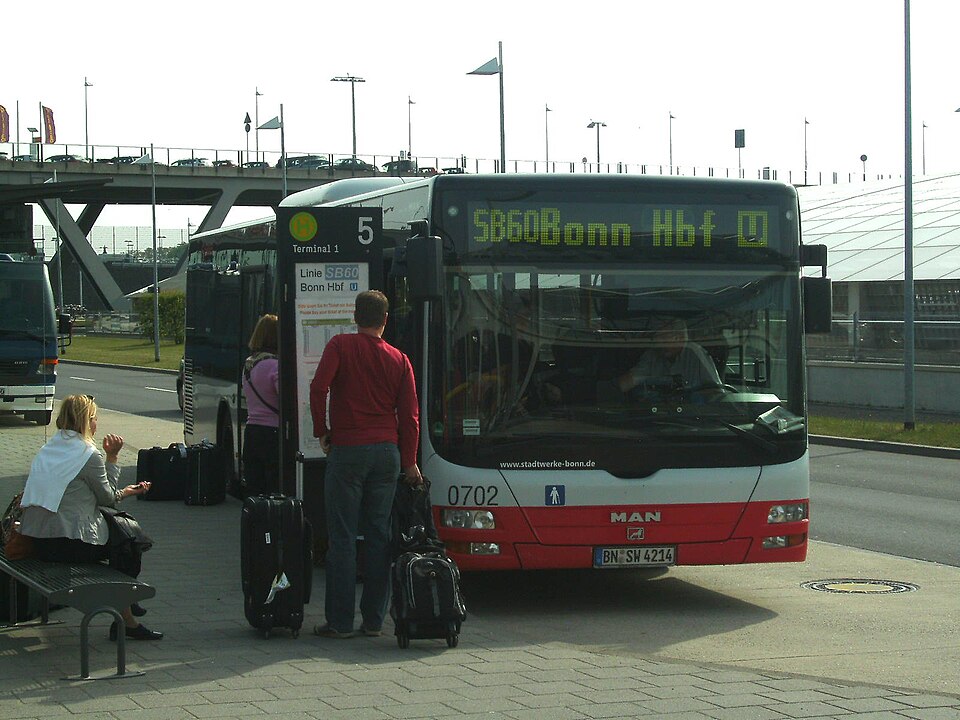
- Follow the signs to the Bus/Train Station. Wait for bus SB60 towards Bonn Hbf (Bonn main train station) in the middle platform.
- You can buy a ticket on the bus and pay with Euros or a card
- It costs €10.18 per adult and €4.85 per child and is valid for 90 minutes.
- If you plan to stay in Germany for more than a few days, it might be worth purchasing a Deutchlands-Ticket, which gives you unlimited rides on local and regional public transportation throughout the country.
**ICE & IC high speed trains cannot be taken with this ticket.
Frankfurt Airport (FRA)
Frankfurt International Airport is the largest and busiest airport in Germany. For you, this means it has the most flight options to get here. All three American carriers offer multiple flights a day to Frankfurt, but so do many other (ahem, better) airlines. However, flying to FRA does mean that you’ll need to take a train to Bonn.
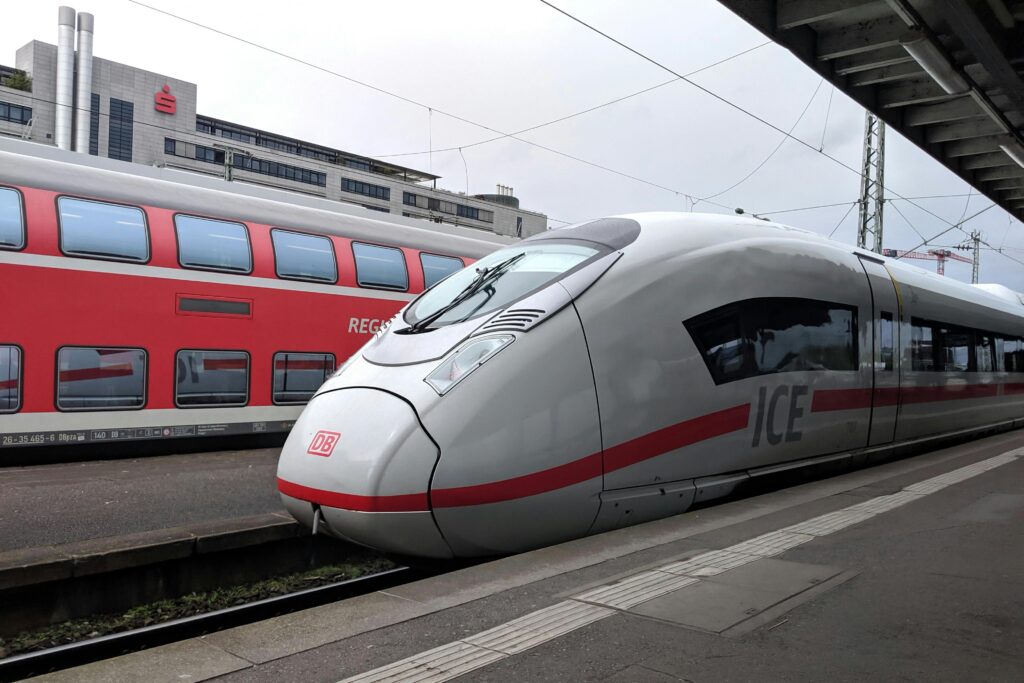
To get to Bonn from Frankfurt Airport, you’ll need to book your train tickets through DeutcheBahn (bahn.de). Depending on your timing, a direct ICE/IC (high-speed trains) from the airport to Bonn Hbf (main station) takes around 1:45h.
Dusseldorf Airport (DUS)
Düsseldorf International Airport offers another option to arrive in Germany. Düsseldorf airport is slightly closer to Bonn, compared to Frankfurt airport. Düsseldorf airport doesn’t have many direct connections outside of Europe, but it does offer a great 1-stop connections on great airlines like KLM, Air France, TAP Portugal and British Airways; the same airlines that also serve Frankfurt. It is also a big hub for leisure airline Eurowings for any pre/post wedding trips.
To get to Bonn from Düsseldorf Airport, you’ll need to book your train tickets through DeutcheBahn (bahn.de). Depending on your timing, a direct Regional Express train (RE5) takes just over 1 hour to reach Bonn Hbf (main station).
By Train
Getting around Germany or other parts of Europe, especially from France, Belgium, or Netherlands is quite easy, fast, and comfortable by train. Deutsche Bahn (DB) is the biggest train company in Europe and operates regular train service to all bordering countries and as far as Budapest, Zagreb and Milan.
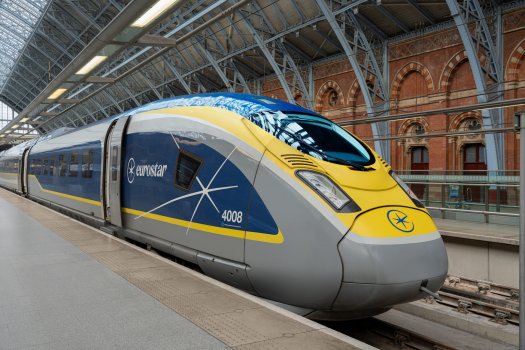
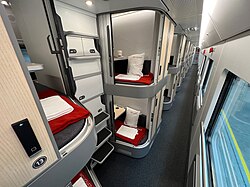
Companies like Eurostar operate high speed lines to Cologne from Paris and the Austrian company ÖBB operate a large sleeper train service called NightJet that passes right through Bonn.
Train travel tends to get expensive quickly so as soon as you know your travel plans, be sure to book your train tickets.
Deutsche Bahn has a pretty good app – which you can download below in English

Renting a Car in Germany
Renting a car in Germany is easy. If you can drive a manual, they’re generally cheaper to rent than an automatic car.
While you might be able to rent a car with just your driver’s license, it is recommended to come with an international driver’s permit (IDP) too (they’re easily obtainable from AAA with $20, a valid drivers licence and two passport photos).
Driving in Germany is fairly straight forward, but there a few key differences to driving in Europe compared to North America.
Streets
- The streets are quite narrow. The cars fit, be brave. Germans know what they’re doing so just pull to the side and go slow.
- Some streets are only narrow enough for 2 cars to pass each other, but they also have on street parking. If you are on the side of the street with the cars parked on it, and a car is coming from the opposite direction, but the street is too narrow for everyone to fit, pull behind the parked cars and wait for the oncoming car to pass.
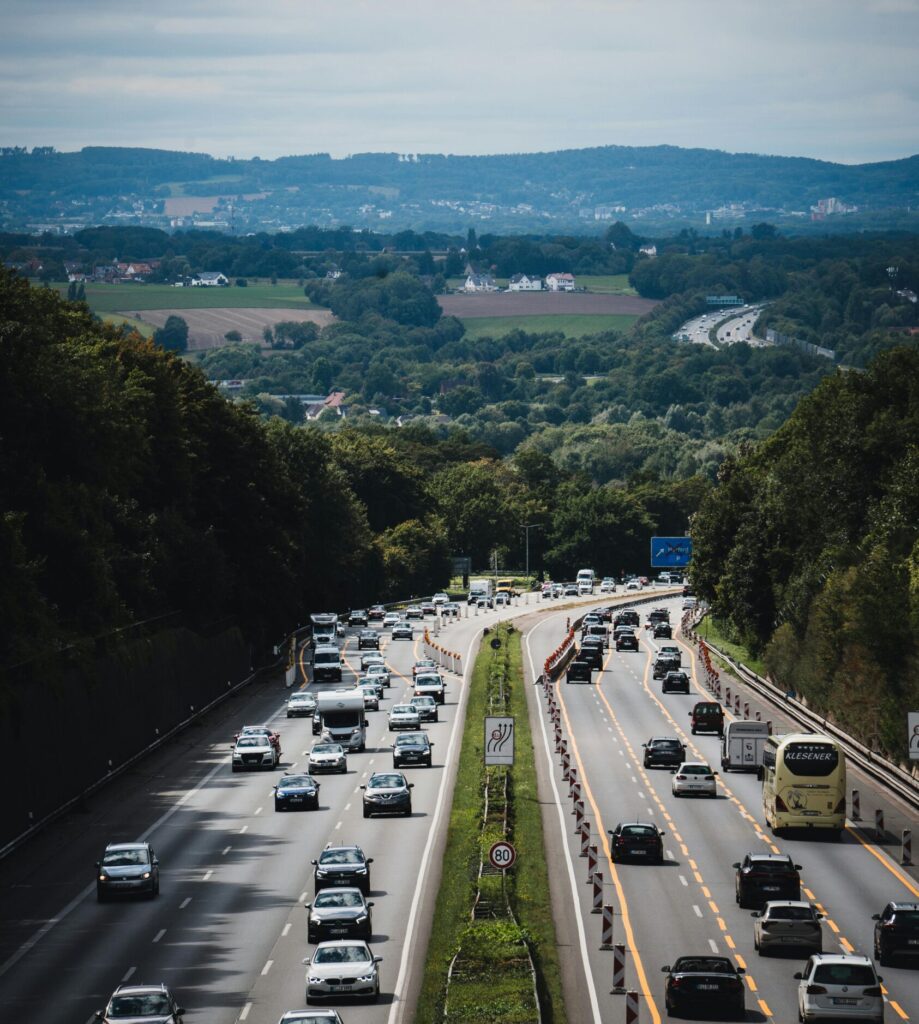
- When driving on the Autobahn, Germans expect that you always drive on the right, unless passing. They’re very strict on this. The left most lane is where the fastest cars are. If you’re going to slow, you can expect the faster cars to flash with you with their brights.
Speed
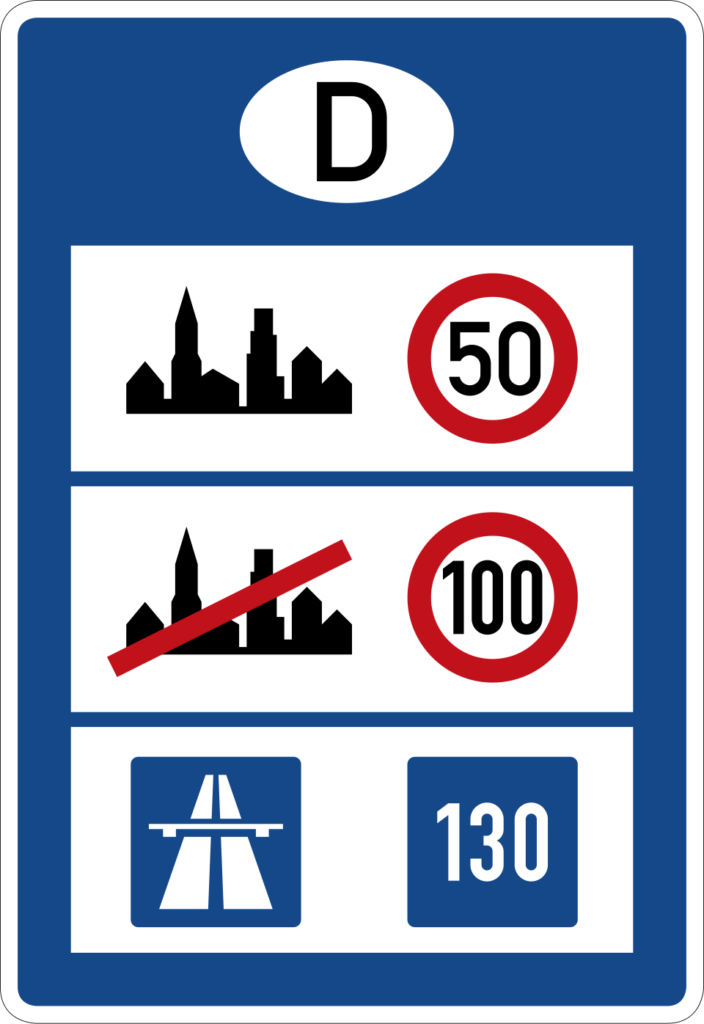
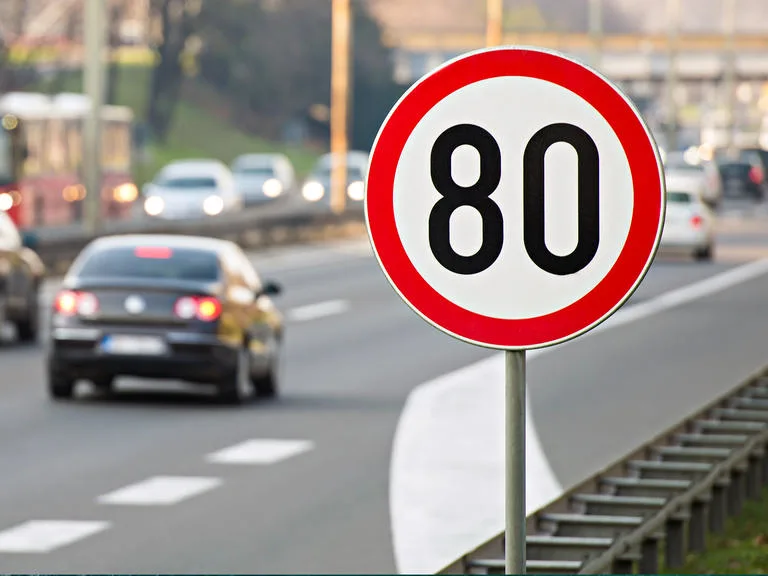
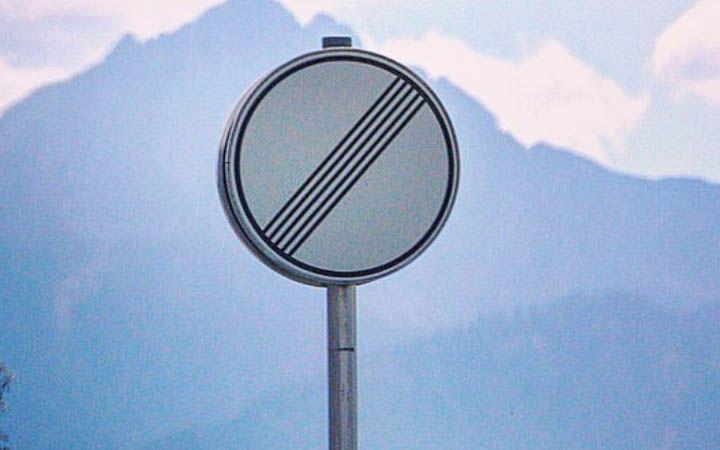
- Autobahn is just the German word for Highway. Some parts of the Autobahn have unrestricted speed, while other parts of the autobahn have enforced speeds. If there is a sign with numbers (common to see between 80 – 130) in a red circle, that is the speed limit. If there is a sign with 4 slashed lines, then you can go as fast as you’d like – until you see the next speed limit sign.
- Unlike in North America, where it’s common to drive 5-10 MPH above the speed limit, that is not tolerated here. Unless you’re driving in an unrestricted part of the Autobahn, stick to the speed limit.
- Because speed is so highly regulated, there are speed cameras all over the place. They don’t show up on apps like Google Maps, but if you use Waze, it will inform you of any upcoming speed cameras.
For other quirks of European driving, check out the short video on the right so you don’t make any mistakes.